At ReachOut, our mission is to close the opportunity gap for young people constrained by circumstance. 96% of teachers think life skills, such as communication, resilience, motivation, and confidence, are as or more important than formal academic qualifications in determining how well young people do in adulthood (Sutton Trust, 2024). This is why our focus on socio-emotional skills is more important than ever. Our transformational collective mentorship programmes give young people the tools they need to build connections, reach their potential both in and out of the classroom, and underpin their holistic wellbeing.
The 2024/25 academic year has been one of change and progress:
The stories in this report, many of which you can enjoy being told by the mentees themselves, demonstrate the impact our projects are having. With 96% of mentees reporting a positive change in their socio-emotional skills, confidence, and/or wellbeing, the data tells us what we are doing well. However, just as we encourage our mentees to continuously reflect and grow, it is vital that we also use this data to understand how we too can learn and improve. Therefore this report ends with learnings and next steps for our continuous development.
I am proud that our whole team has worked together to establish our new organisational values and behaviours framework, which underpins everything we do at ReachOut. We approach our work with Integrity, Accountability, and Authenticity, and strive to always act in a way that is Committed, Compassionate, Solutions-Focused, and Ambitious.
A huge thank you to everyone involved in ReachOut, who model these values and behaviours every day. From our volunteer mentors to our partners and supporters – everyone who has contributed to our community has played a vital role in empowering young people to thrive. As we look forward, we know that together we can create a future where every young person has the opportunity to realise their potential.
We exist because not all children have the opportunity to just ‘pick up’ socio-emotional skills.
The 9-14 age bracket is an especially crucial juncture in childhood development, so we focus our efforts on helping children in this range. Within this bracket, we further focus on supporting young people constrained by circumstance.
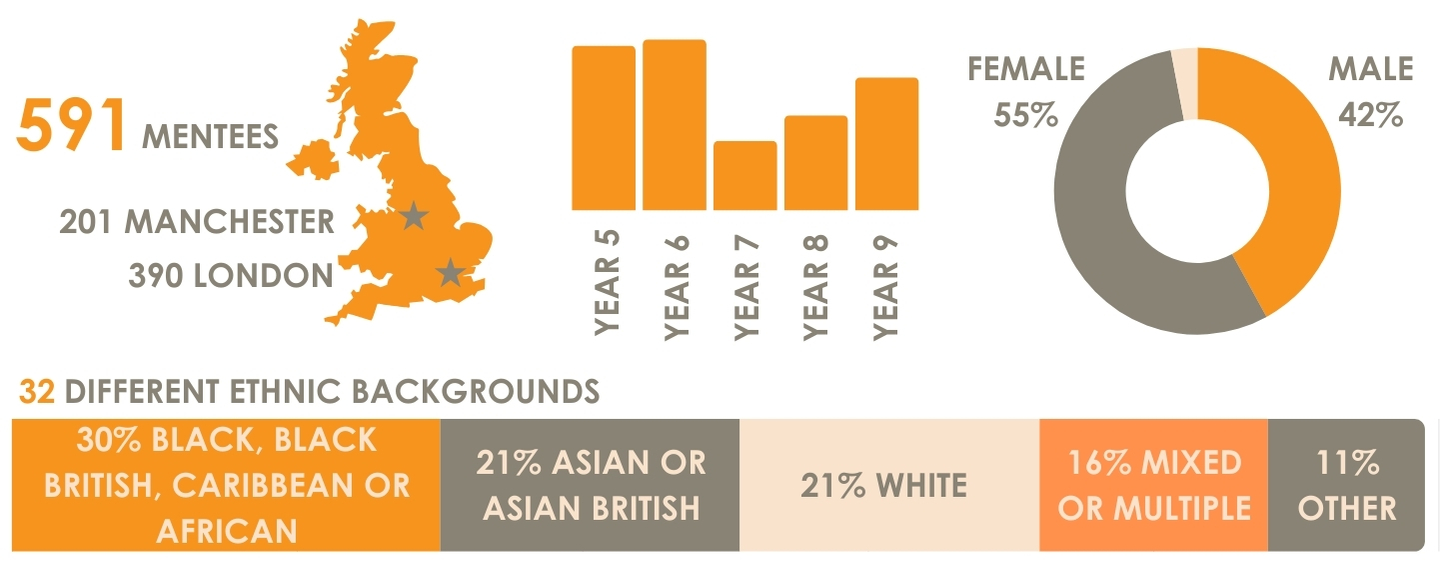
Every school receives some level of ‘deprivation funding’ based on the free school meal eligibility as well as the levels of Income Deprivation Affecting Children where pupils live. We select partners that receive the top 20% of this funding. Teachers then refer young people who fit two or more of our evidence-based referral criteria:

Our work helps schools meet and evidence various sections of Ofsted’s Inspection Framework.
This section of Ofsted’s framework talks about the need to provide an ambitious curriculum for all learners supporting them with the knowledge and cultural capital they need to succeed in life.
ReachOut is a rich addition to the curriculum. We work specifically with young people eligible for pupil premium or who have experienced one or more Adverse Childhood Experiences, helping them access opportunities to develop their socio-emotional skills that, otherwise, they may not have access to.
This section of the framework looks at young people’s attitude to education, their resilience, relationship building, respect, behaviour and attendance.
Research has shown strong links between the development of socio-emotional skills and a young person’s resilience, their relationships with their peers, teachers and other adults.
Across our 2023/24 partner schools, 80% of teachers reported an improvement in mentees’ attitude to learning, which can have a direct impact on attendance and punctuality.
This section looks for the curriculum to extend beyond the academic and provide for learner’s broader development, improving their confidence and independence and preparing them for what’s next.
Through our evidence-based curriculum, we focus on giving learners a broad range of experiences that help unlock their potential.
Through working with their peers, mentors and our youth practitioners, mentees develop their confidence, resilience and key socio-emotional skills.
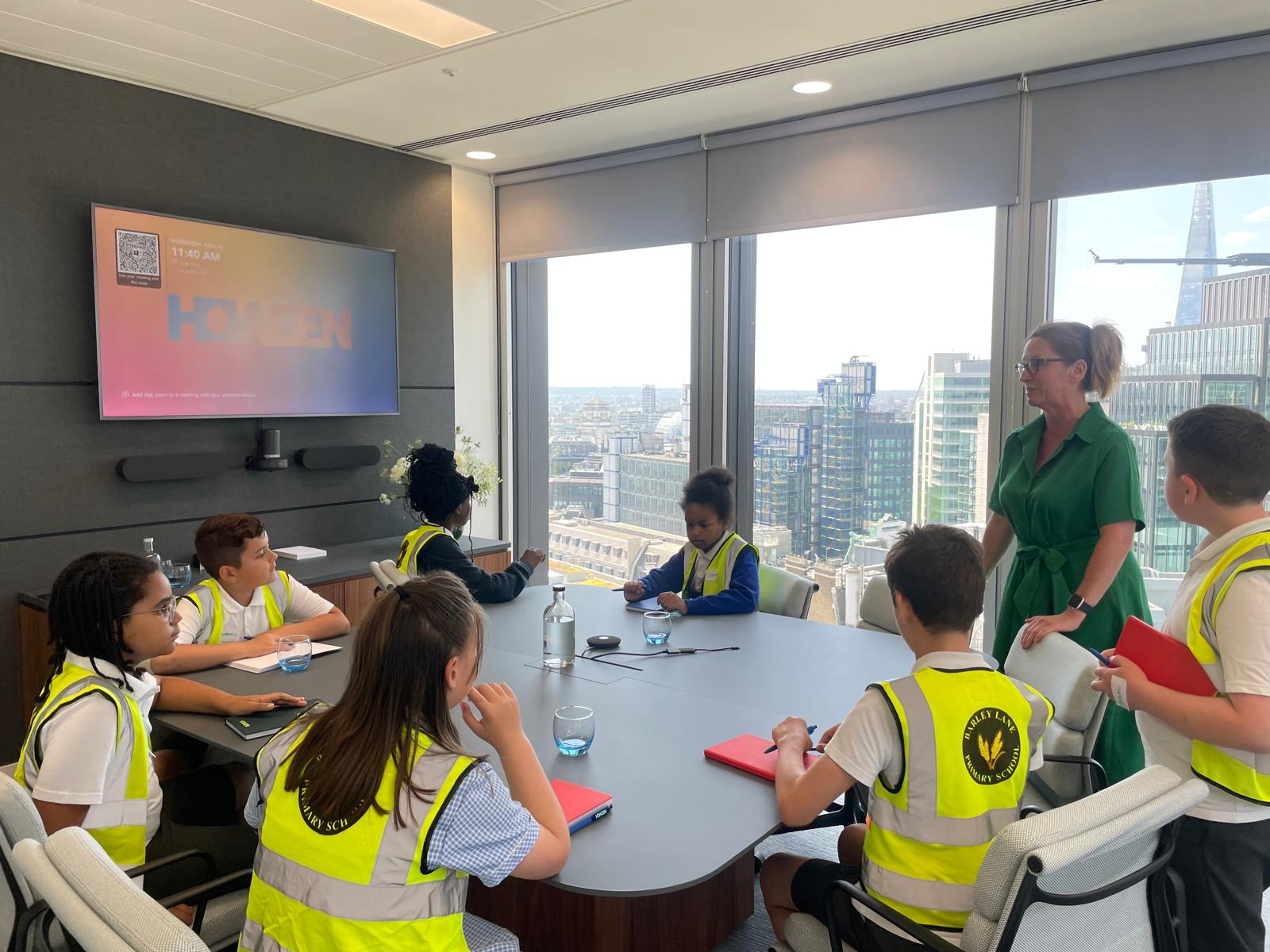
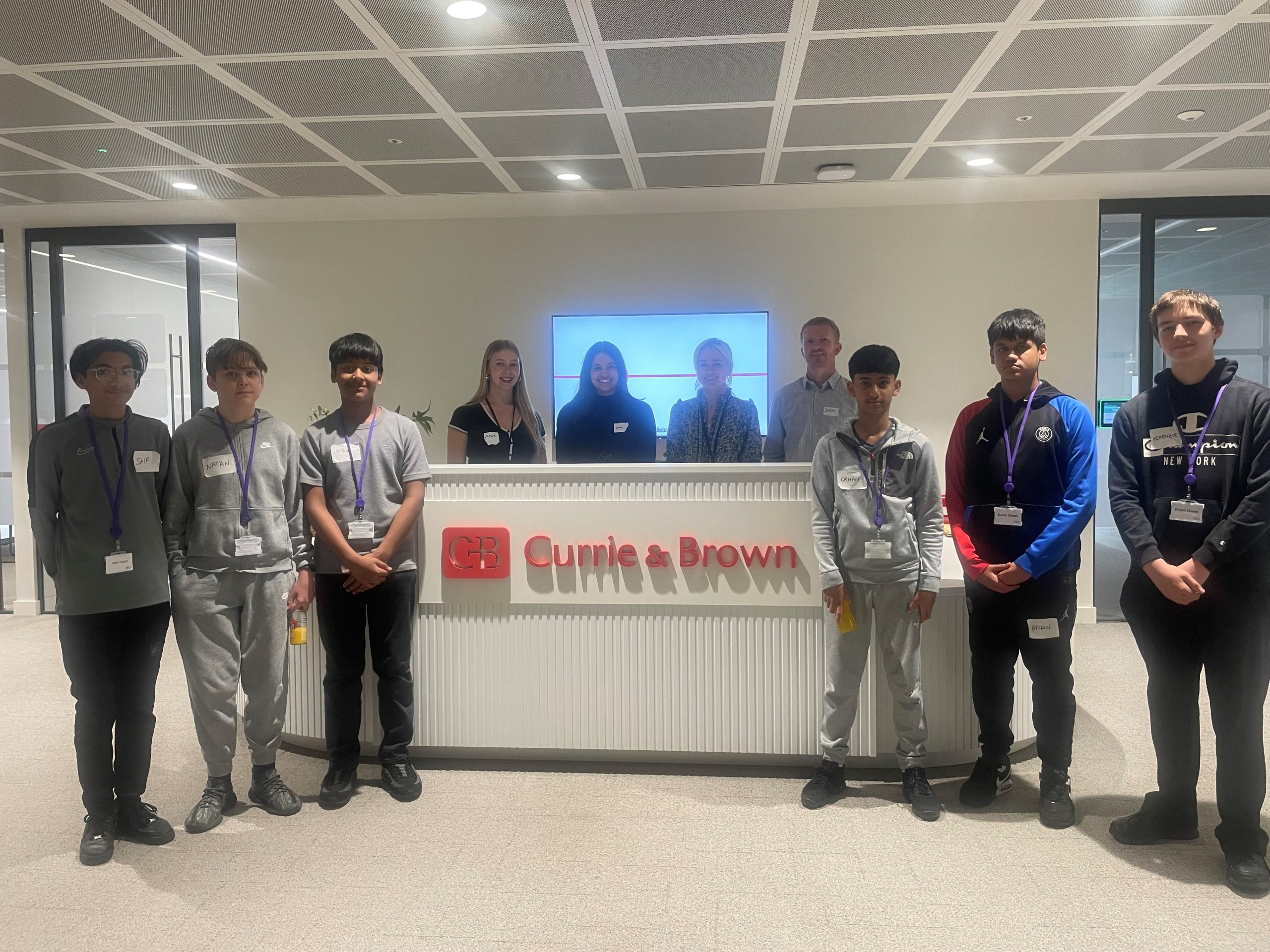
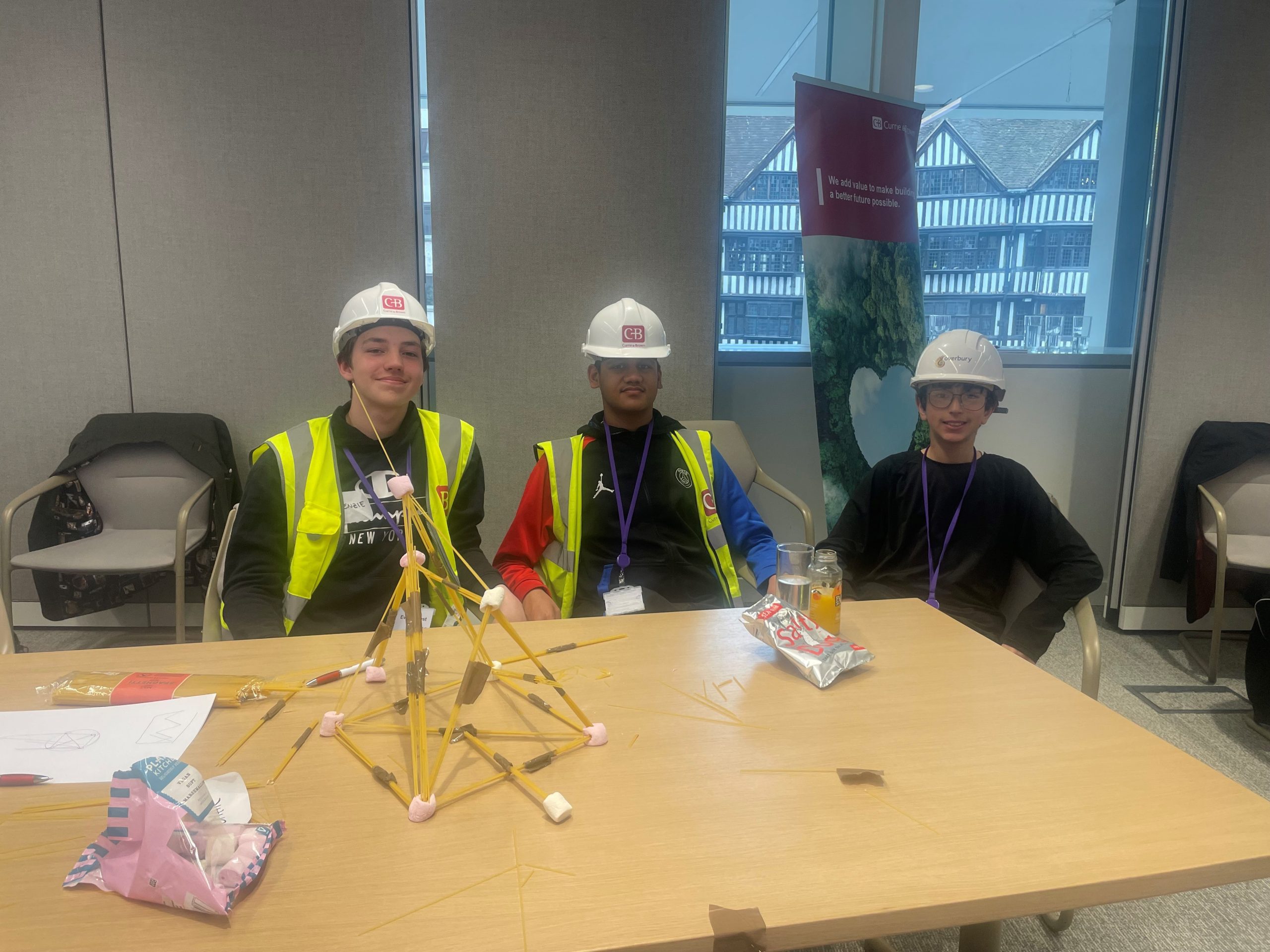
Career talks and workplace visits help expand our mentees’ ideas about their futures.
This section of the framework asks leaders to have an ambitious vision for providing inclusive education, championing safeguarding and managing workloads.
Working with ReachOut is a clear demonstration of a school’s ambition to develop students’ socio-emotional skills.
We recognise the pressures faced by teachers and school staff so we work with you to make sure that a ReachOut project is not an increase in workload.
Safeguarding is our top priority – all staff and volunteers undergo strict and ongoing safeguarding training, and our procedures are regularly reviewed and updated.
Our work helps schools meet a number of the Gatsby Benchmarks – evidencing career support for students.
At ReachOut, we work with young people who may not have the same opportunities as their peers. Mentee referral information helps our staff tailor sessions to meet individual pupil’s needs. We also work with mentees on personalised goal setting and reflection activities.
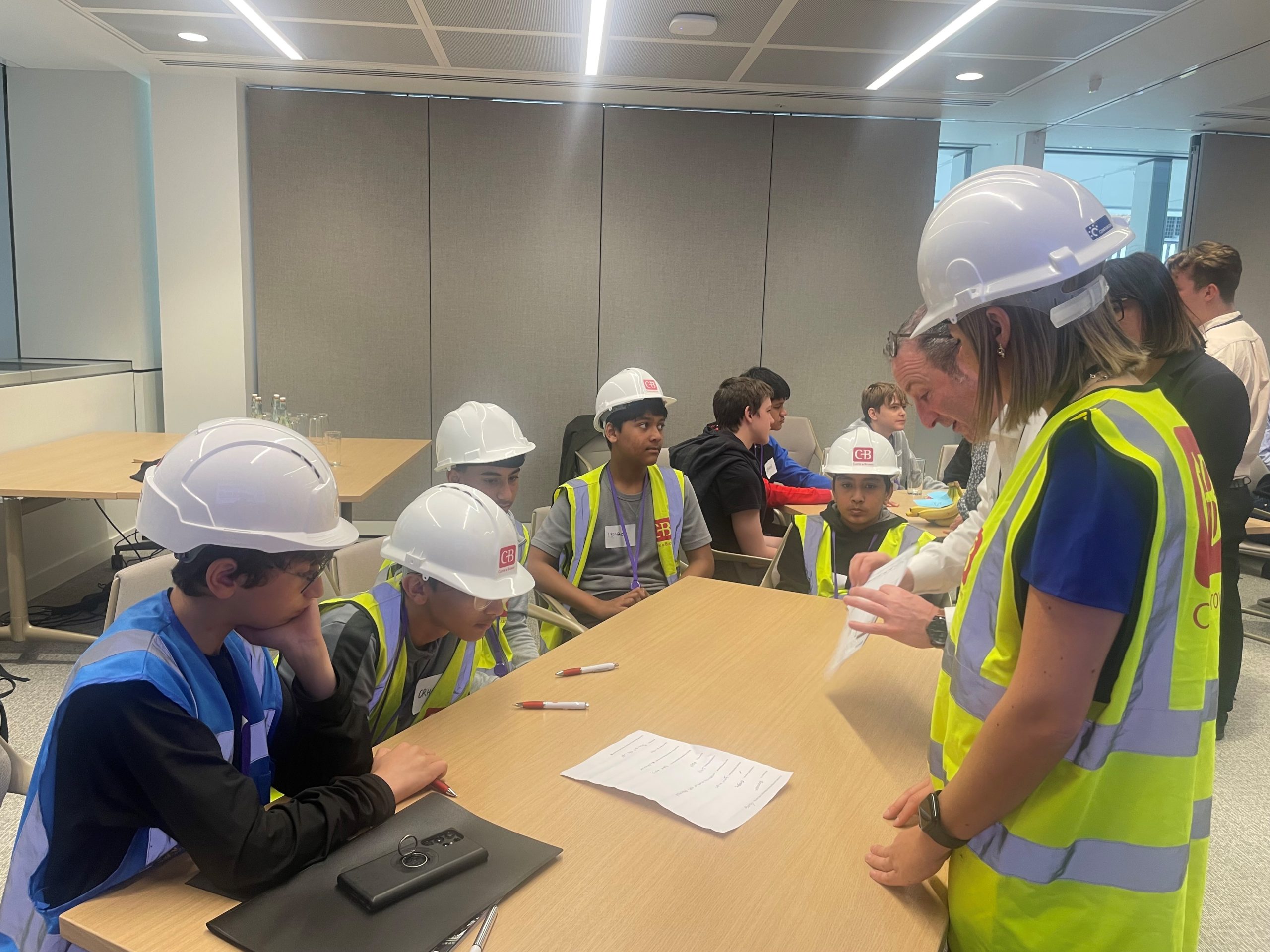
ReachOut’s mentors come from a diverse range of industries and backgrounds and can talk to their mentees about how the work they’re doing at school relates to building important skills for future careers. Through career talks and workplace visits, mentees are encouraged to see the direct benefits of education to their future career aspirations.
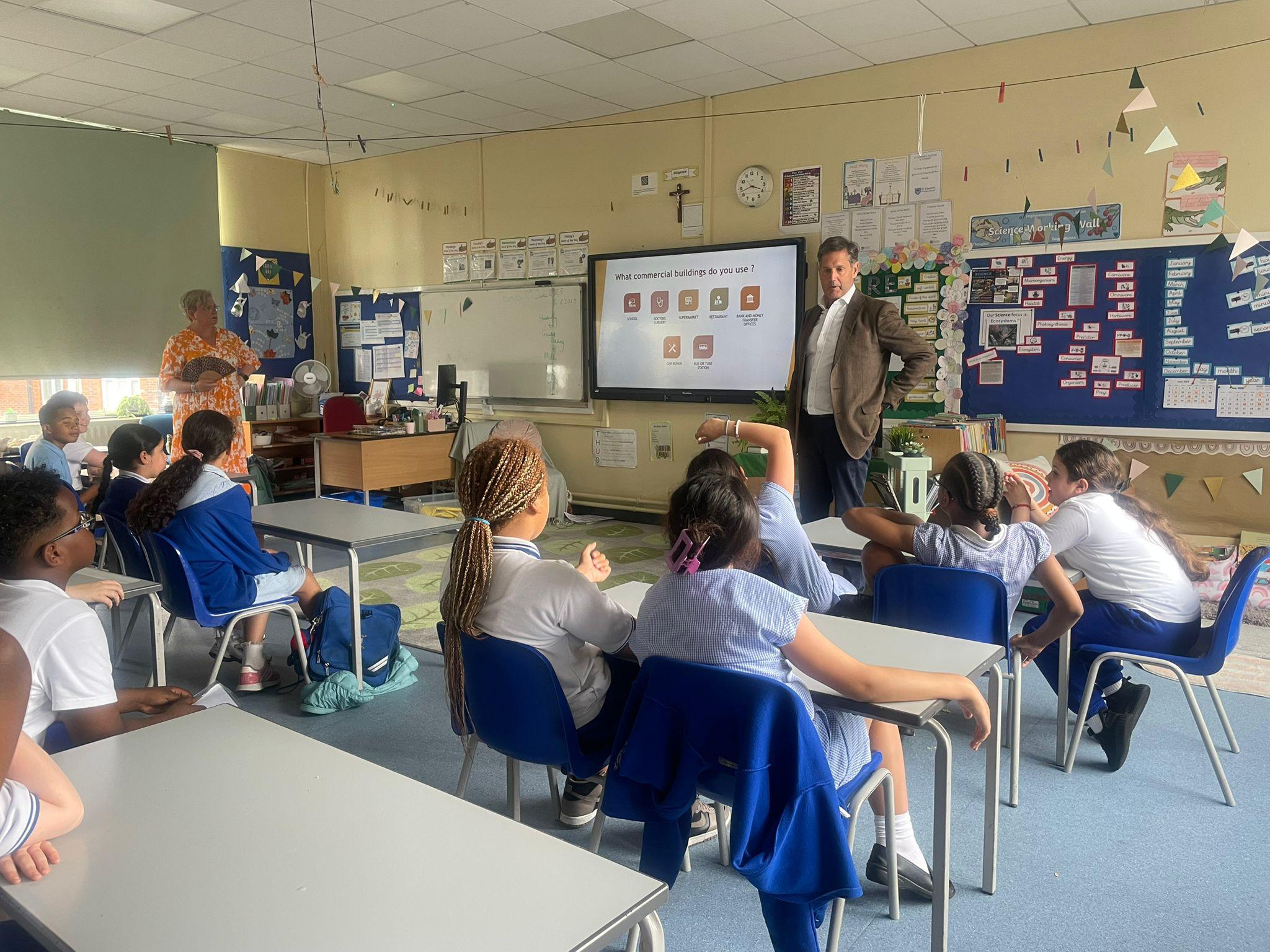
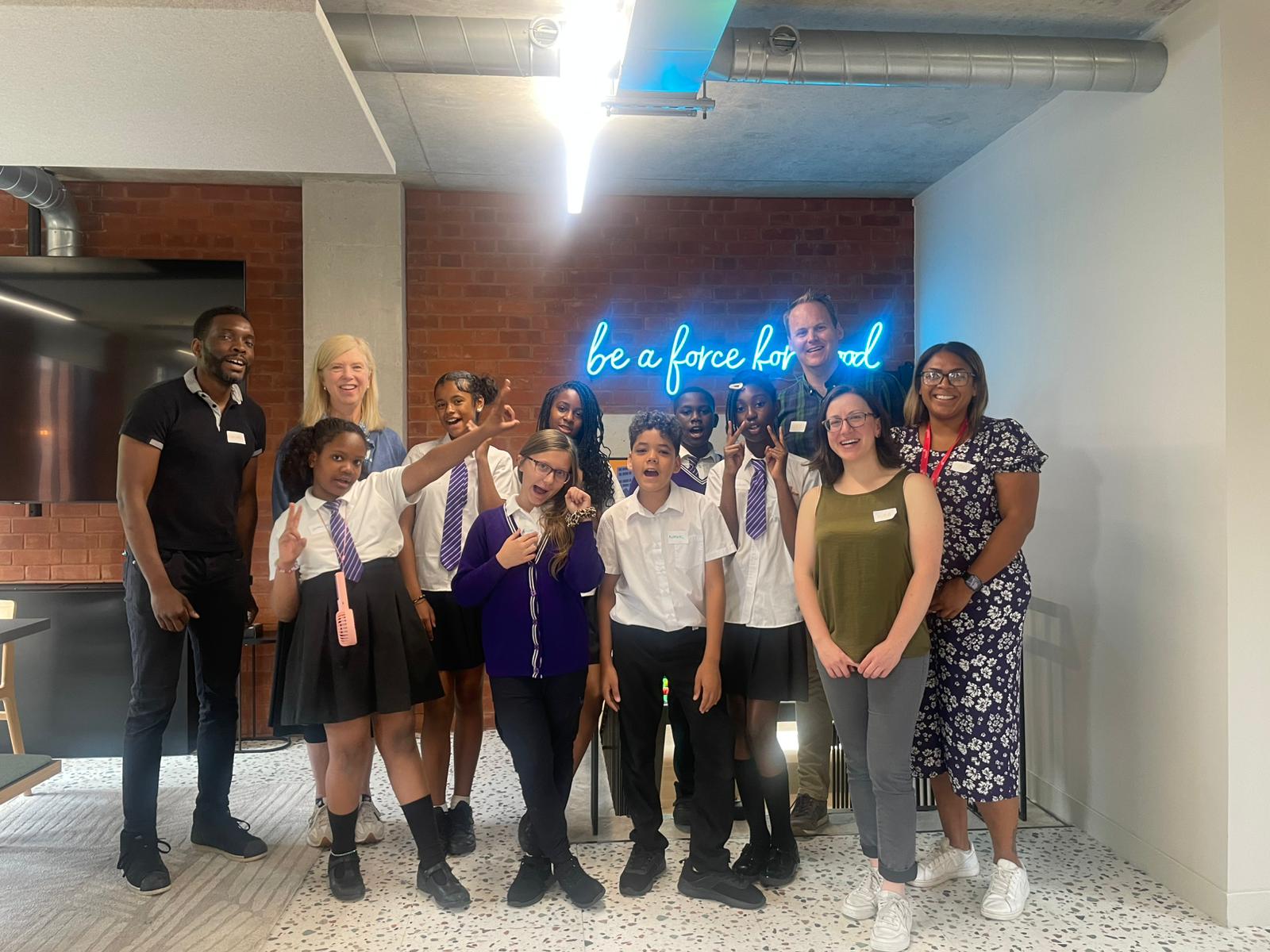
At ReachOut, we provide our mentees with several touchpoints with employers. We have visiting speakers who talk about their career paths and take questions from the young people.
Our volunteer mentors attend each session alongside mentees. As trusted adults, they support mentees to develop.
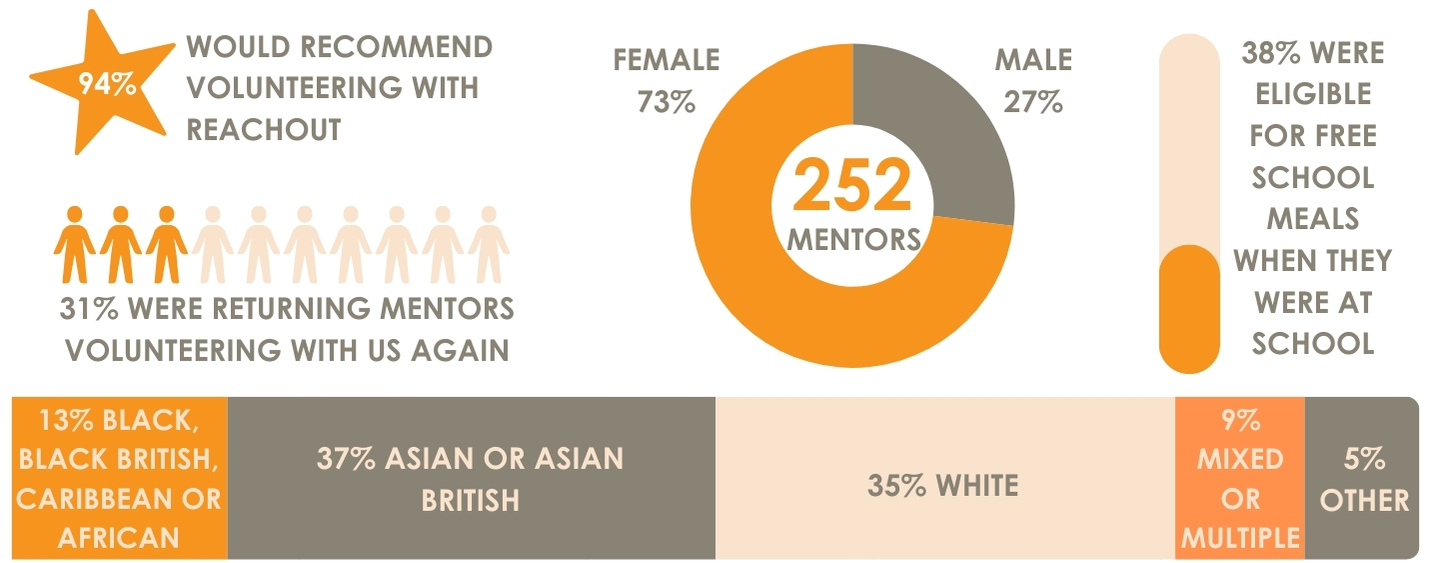
hours of ReachOut sessions
mentees engaged
volunteer mentors
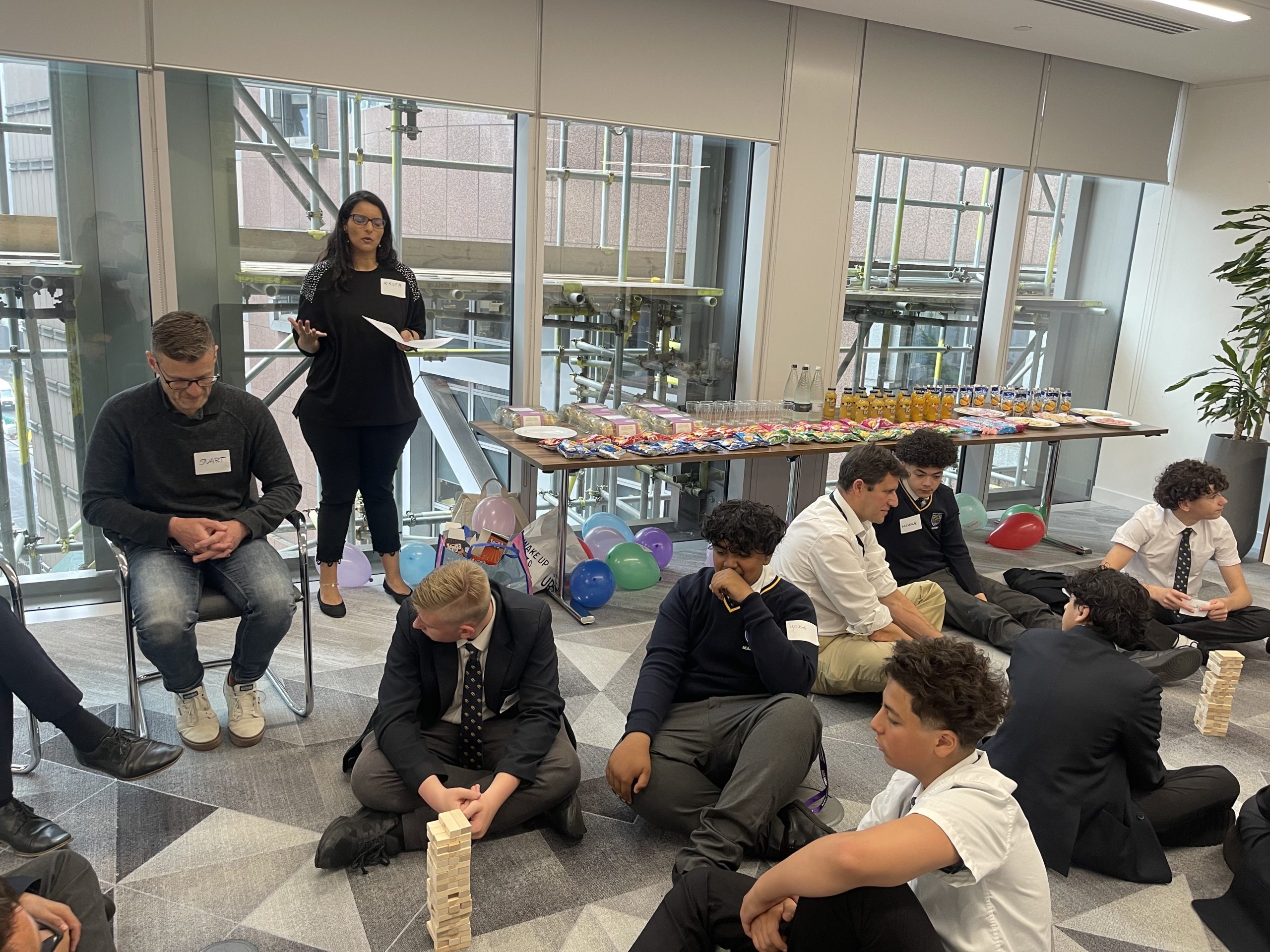
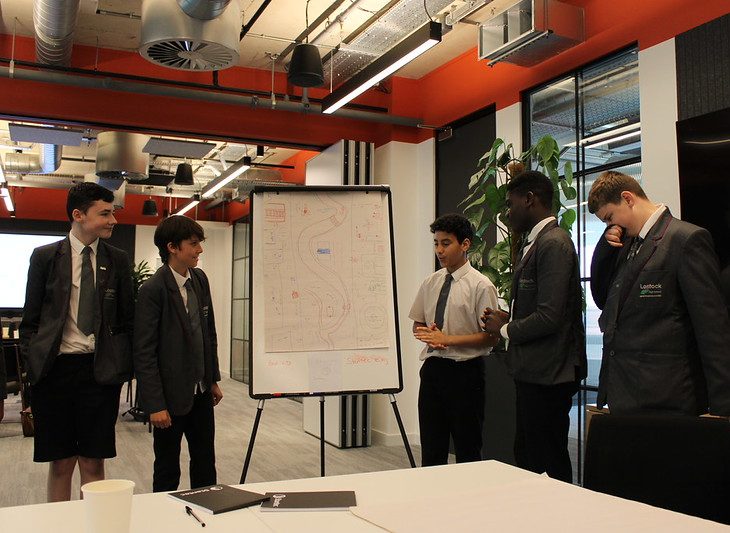
Our core programme of weekly group mentoring takes place after school. Working with our trained volunteer mentors and youth practitioners, young people take part in activities that develop their socio-emotional skills.
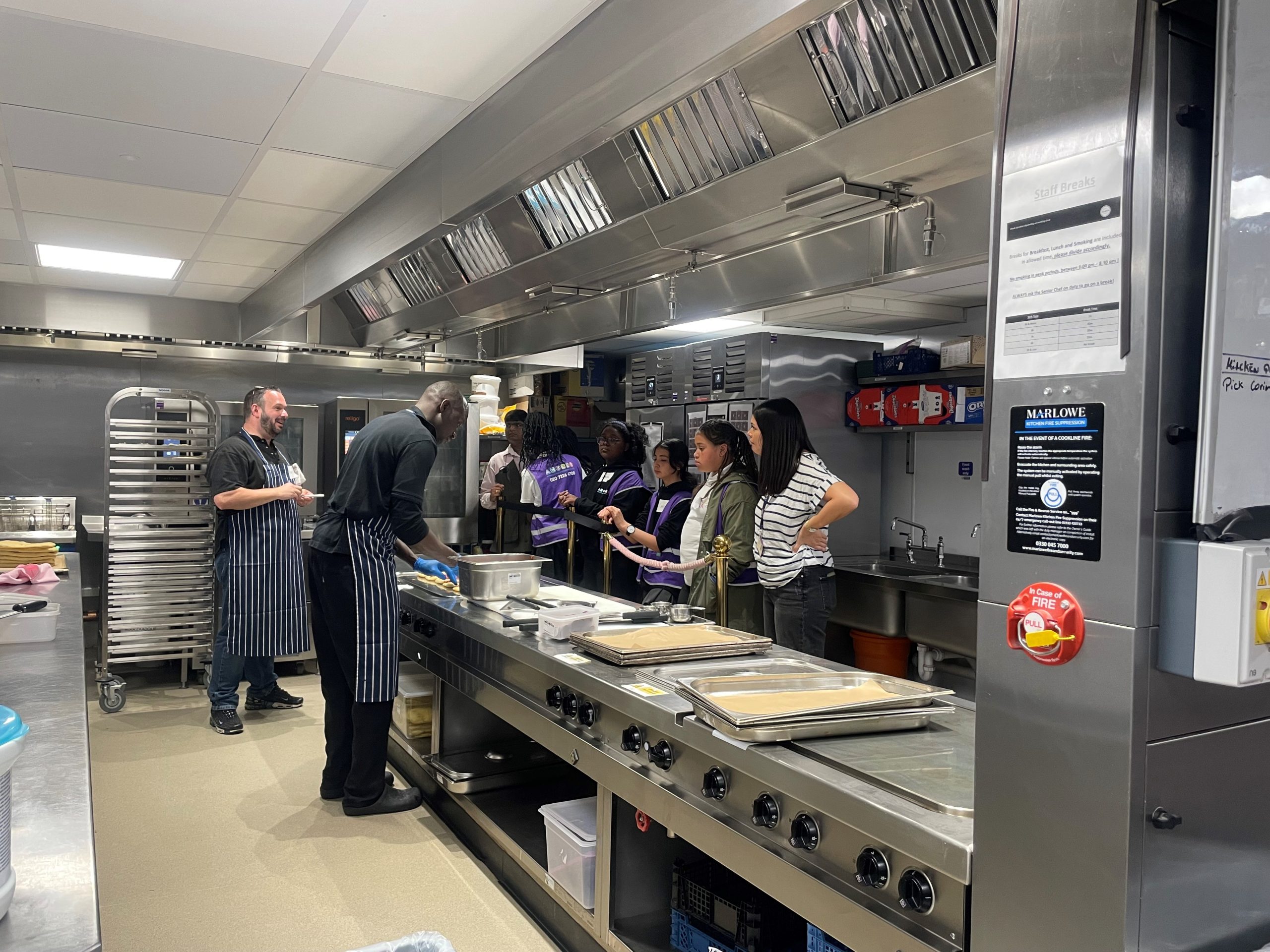
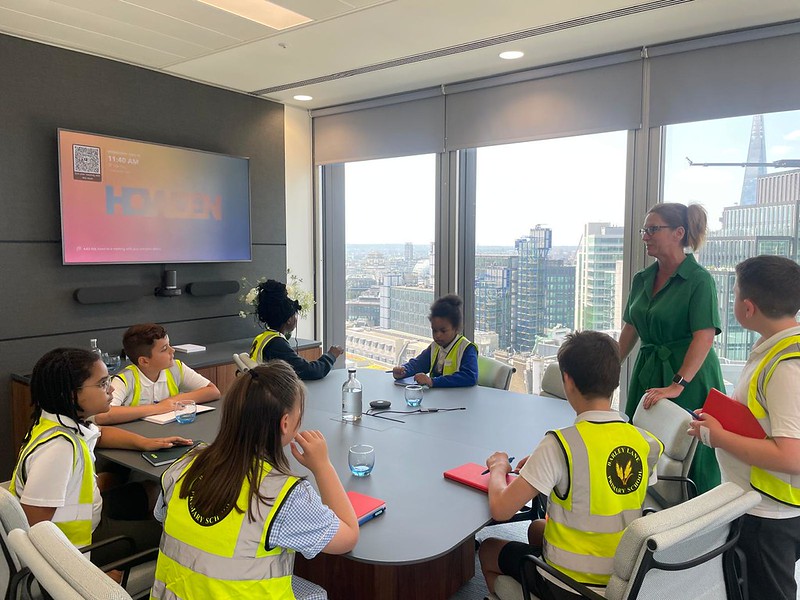
young people attended a workplace experience visit
young people heard a career speaker
horizon building volunteers
With 92% of teachers saying that the current education system doesn’t prepare students for future careers (Pearson School Report 2025), facilitating quality interactions with employers and workplaces is our other key activity. Visits to our corporate partners and guest speakers joining sessions allow young people the space to consider different career paths and meet new role models.
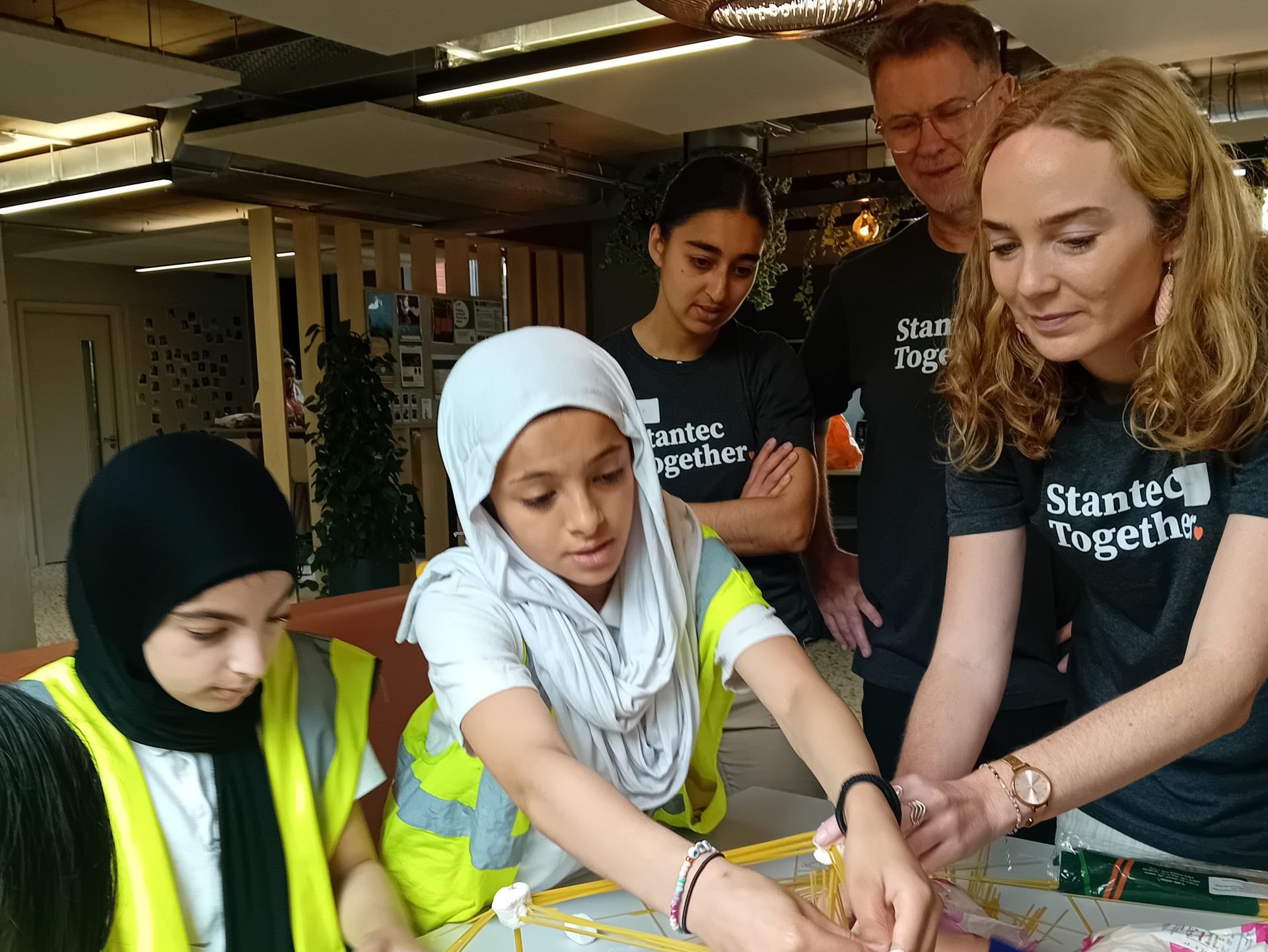



Our four mechanisms of change are the key elements that allow our activities to have maximum impact. We monitor them through a programme of quality assurance that allows for targeted improvements across each mechanism.
An example of one of our quality measures is The Centre for Youth Impact’s Quality Practice Tool. It gives us a clear picture of what great practice looks like and supports the development of our practitioners and mentors to strengthen our delivery.
felt accepted by the adult working with them
enjoyed what they were doing
felt like the things they did and talked about were interesting
agreed that they were encouraged to share their opinion about ReachOut
mentees were elected as youth panellists attending five in-person meetings
felt that their ideas about ReachOut were listened to
We measure our short and medium term outcomes using a range of validated tools and to understand how this impact translates outside of sessions, and into the school environment, teachers also report on the progress they’ve seen.
Improved one or more socio-emotional skill measured using The Centre for Youth Impact’s Young People’s Survey
Improved one or more socio-emotional skill based on observations in school
Improved or maintained their wellbeing measured using The Stirling Scale for Children’s Wellbeing
Improved their wellbeing based on observations in school
Improved their confidence measured using selected questions from the #Beewell Survey
Improved their confidence based on observations in school
Improved their school engagement based on observations in school (attendance, punctuality, behaviour, relationships with adults)
Of mentees that joined the programme with attendance below the national average, improved their school attendance
Socio-emotional skills are critical missing mediators and increase the likelihood of achieving positive later life outcomes, such as the attainment of qualifications; securing, sustaining and progressing in employment; forming and maintaining positive relationships and developing a physically and mentally healthy lifestyle (Centre for Youth Impact, 2023).
Therefore, progress towards our four short and medium term outcomes supports our young people to have long term outcomes of improved character, life satisfaction and being empowered to make positive decisions for the future.
As a learning organisation we are committed to sharing where things have gone right and when we have made changes based on what we have learned. Read what we’re taking forward to 2025/2026 to further improve our work:
As we moved forward with our robust programme of Quality Assurance, our delivery model with a large number of Project Leaders facilitating sessions was becoming a limitation.
We introduced the role of ‘Youth Development Lead’ for 2025/26 which sits within our core team and replaces our previous Project Leader and Project Officer positions.
Investing in experienced youth workers allows us to facilitate consistent high quality sessions. They also bring a high level of safeguarding knowledge, supportive line management for our volunteer mentors and strategic support for our school partners.
Administering baseline surveys for the first time, brought unforeseen challenges that meant we did not meet our internal targets for survey completion. We had a good level (99%) of teacher referral data and teacher endline scores (84%) but only 65% of mentees that completed the programme completed both baseline and endline surveys.
This is important as it reduces the reliability of our findings and makes it more difficult to make data-led decisions.
Our learnings around survey technology & automated tracking are already having an impact for the 2025/26 academic year as we’re on track to meet a 90% target.
Our testing of different programme lengths and mentee-mentor ratios taught us about what matters on our programme – for example, it is the quality of our mentors, rather than quantity, that has an impact for young people.
Mentors will be recruited in line with our new ‘What makes a good mentor’ framework and have the opportunity to test our continuous mentor training programme that prioritises development throughout their volunteering experience.
Launching our new strategy, we set a key organisational goal of being youth-informed and youth-led. We have been sharing practice at a number of working groups with peers across the sector and evaluating our youth voice work using The Lundy Model of Child Participation.
As well as continuing our Youth Panel into 2025/26, we are launching the new role of Skills Advocates. This is a consulting role offering mentees the chance to provide a youth-centred perspective on our sessions and socio-emotional skill development.
This years panel wrote the job description for the new Skills Advocate role as well as providing a list of future recommendations for the 2025/26 panel ensuring that next year’s iteration can be guided by what has been learned through 2024/25.
Working with partners such as Data Kind UK, to analyse our impact with a team of data scientists, we have been able to dig deeper into our outcomes data.
We gained a better understanding of what works and what we want to improve meaning that we’re able to continue our focus on making data informed decisions and continuous development.
A project for us through 2025/26 will be considering which metrics we should utilise to understand our impact on a deeper level.
Thank you to everyone who has been part of ReachOut’s journey this year – our mentors, supporters, partners, schools, and young people. Your belief in our mission makes everything in this report possible.
Your commitment to our mission fuels real change in real lives, every single week. Thank you for standing with us – together we can continue to champion young people facing the toughest challenges to develop the confidence and skills they need to thrive.
“At first, I was really hesitant to take on the Project Leader role, despite having mentored with ReachOut. However, with the support of the team I’ve really developed my skills. For example, at the Mentee Graduation, I stood up in front of 200 people and presented an award which is something I would never ever have been able to have done before, and isn’t an opportunity I could gain in my other situations.”
Amy McCutcheon, Project Leader at ReachOut Academy, Dean Trust Ardwick, Manchester.
“Being able to spend the summer working at Rede Partners, was an amazing experience. Whether it was working in HR or Finance, I learned so much about the world of private equity, made great connections with fantastic people and I got to learn first-hand what it would be like to work there! I really believe that I can go onto build the career I want now I’ve been a part for a workplace for real”
Victor Adekunle, 18 years old, ReachOut Ambassador, London
“When I first my mentee, she was very reluctant to participate in the sessions. Now, I see a completely different person! Her confidence has grown and she is happy to join in! She still has some self-doubt when it comes to academic work, but that’s what I hope to help her overcome, because she is a very bright person!
Through mentoring, I’ve learnt I’m a lot more patient than I realised. There will be days where she refuses to participate and those are the days that I really see the importance of the character strengths, for both the mentees and the mentors. It also makes it easier for the mentee to understand the character strengths, when I use them myself”
Myrtle, ReachOut Club mentor at Tufnell Primary School, London
“There are more distractions than ever outside of school, and the commitment of our students to attend ReachOut sessions is testament to the value they place on the relationships they foster there, and the challenge and enjoyment they provide.
ReachOut’s focus on communication skills and character development has become an important aspect of our provision of support for these students. The opportunity to relate to a positive role- model other than their usual teachers is key to the programme’s impact, and the evidence of this has been seen in the students’ attendance, resilience and to their overall progress across all the subjects in the school.”
Thomas Janvrin, Assistant Vice Principal at the Petchey Academy London